
STEP 1: INITIATE LOAN CLOSURE After the final EMI is paid:
- Log in to your net banking portal and request to close your loan account.
- Send an email to the bank from your registered email ID, requesting the collection of your original property documents. Be sure to mention your loan account number clearly.
- In response, the bank will send you a scanned copy of the loan closure certificate.
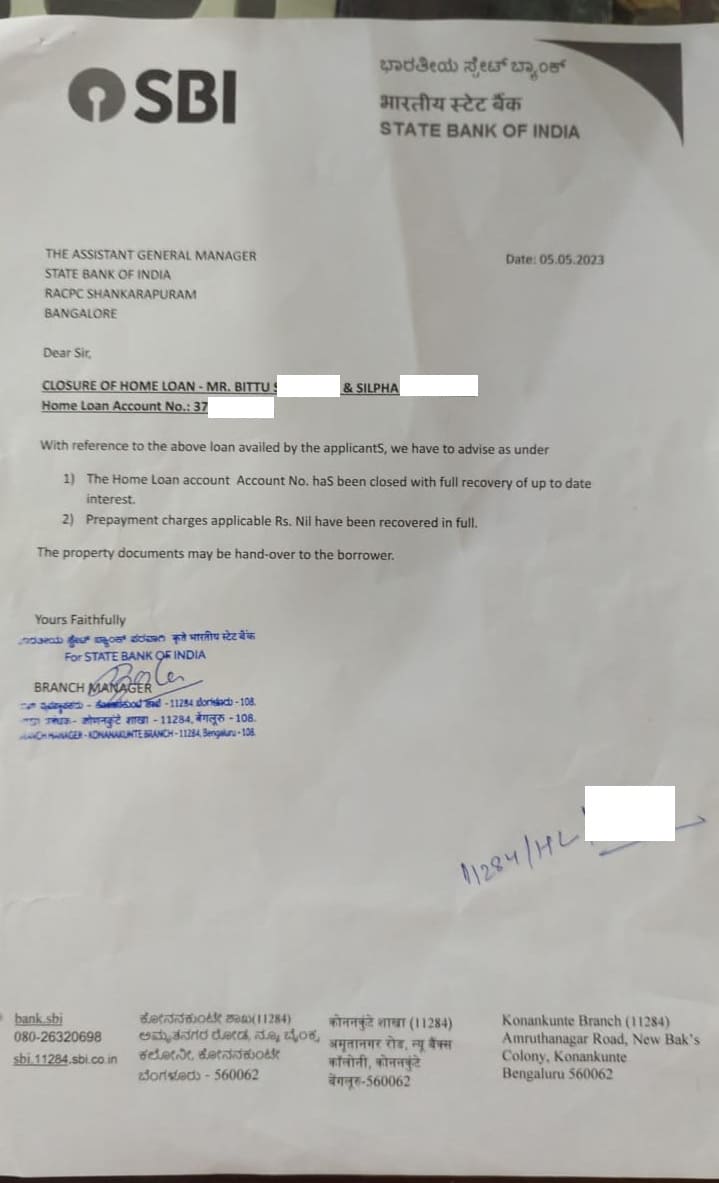
STEP 2: APPOINTMENT FOR DOCUMENT COLLECTION AT RACPC Once the loan is officially closed, the bank will schedule an appointment for you at the RACPC to collect your property documents. This appointment is typically scheduled within 15 working days from the date the loan closure certificate is issued. By default, all co-applicants listed on the loan must be physically present at RACPC during the appointment. If one of the co-applicants such as your spouse is unable to attend, they must authorize you through a Power of Attorney (POA). GRANTING POWER OF ATTORNEY (POA) If your wife (or any co-owner) is unable to be present, she can authorize you via a POA to collect the documents on her behalf. Steps to Execute the POA:
- Draft the Power of Attorney – Use the suggested draft format (shared below).
- Stamp Paper – Purchase a Rs.500 non-judicial stamp paper.
- Print the Draft – Print the POA content onto the stamp paper.
- Execution – Your wife must sign the POA and get it attested by a Notary Public near her place of residence.
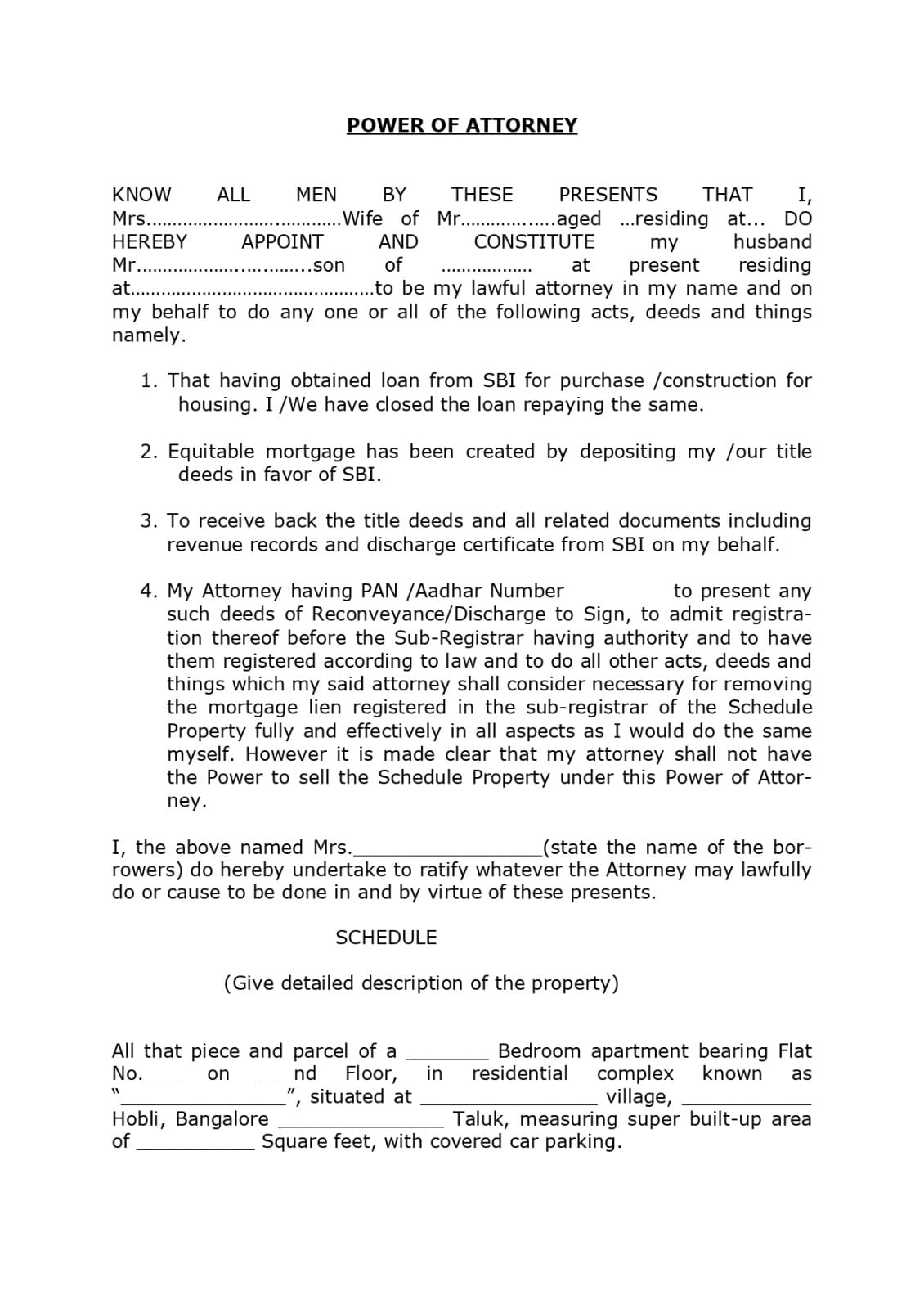
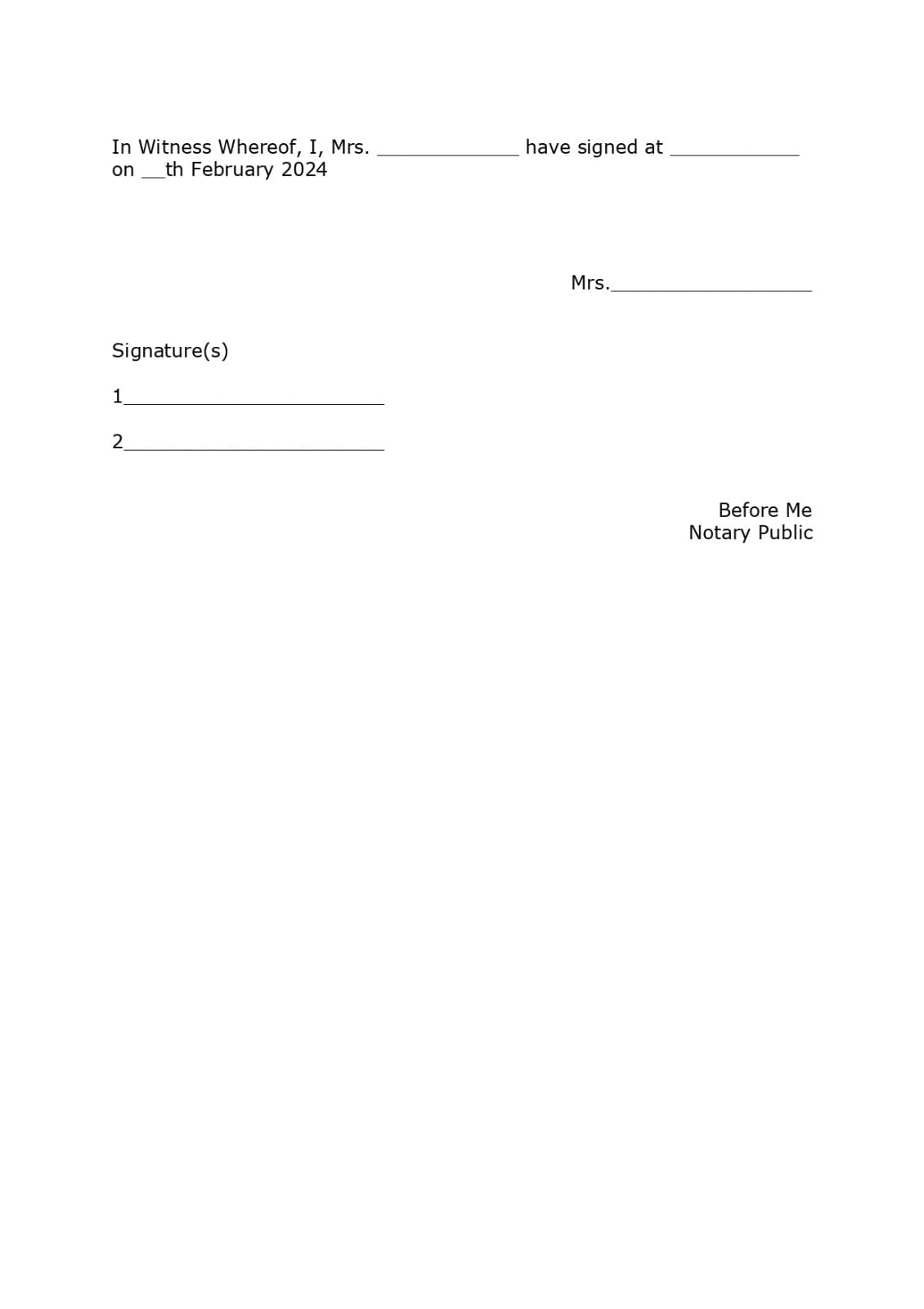
STEP 3: VISIT RACPC ON THE APPOINTMENT DATE On the scheduled date, carry the following documents to the RACPC:
- Original Loan Closure Certificate issued by the bank.
- Power of Attorney executed by your wife (if she is not present).
- Self-attested ID Proofs of both yourself and your wife.
- Original Property Documents (e.g., registered sale deed, agreement of sale, etc.).
- Reconveyance Deed and Exemption Certificate.
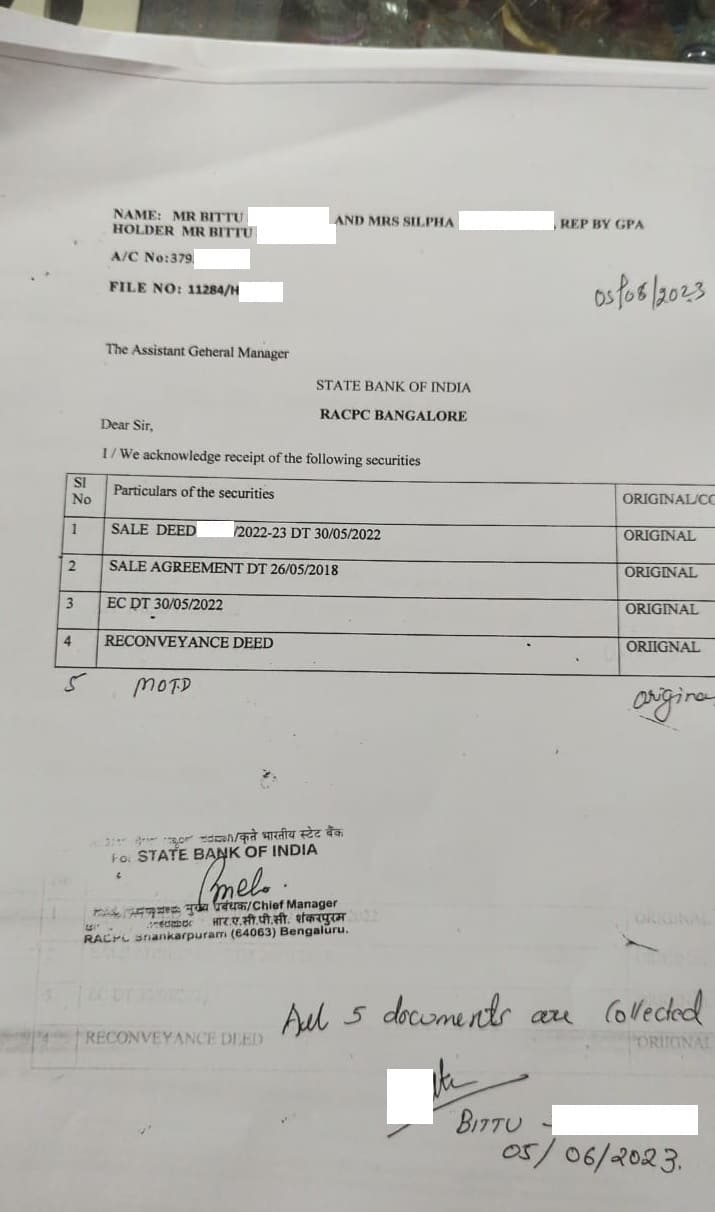
- A document acknowledgment receipt, which you must sign at the time of collection. Refer to the below acknowledgement
IMPORTANT NOTES ON RECONVEYANCE DEED & EXEMPTION CERTIFICATE
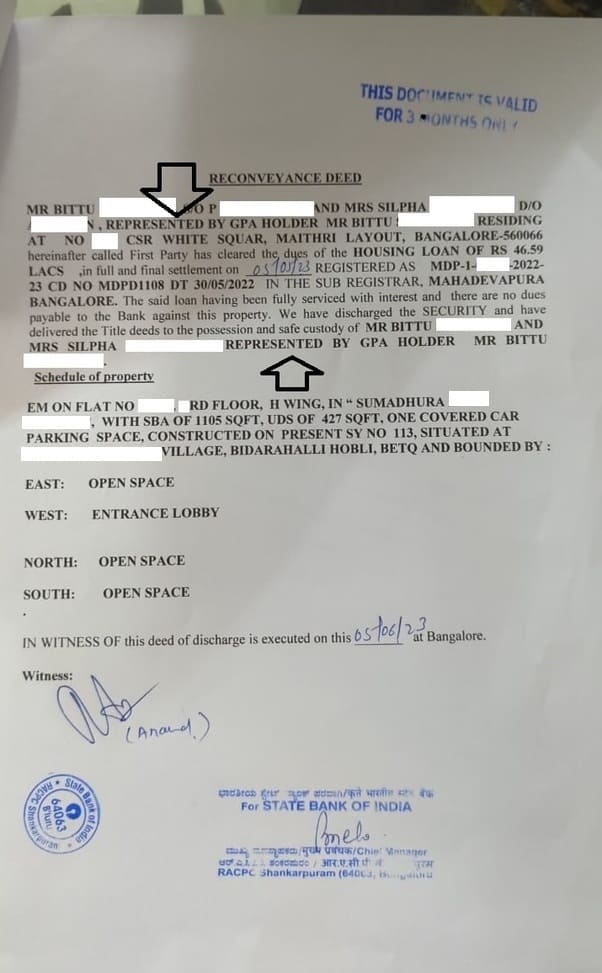
- The Reconveyance Deed issued by the RACPC must clearly state that you are representing your wife.
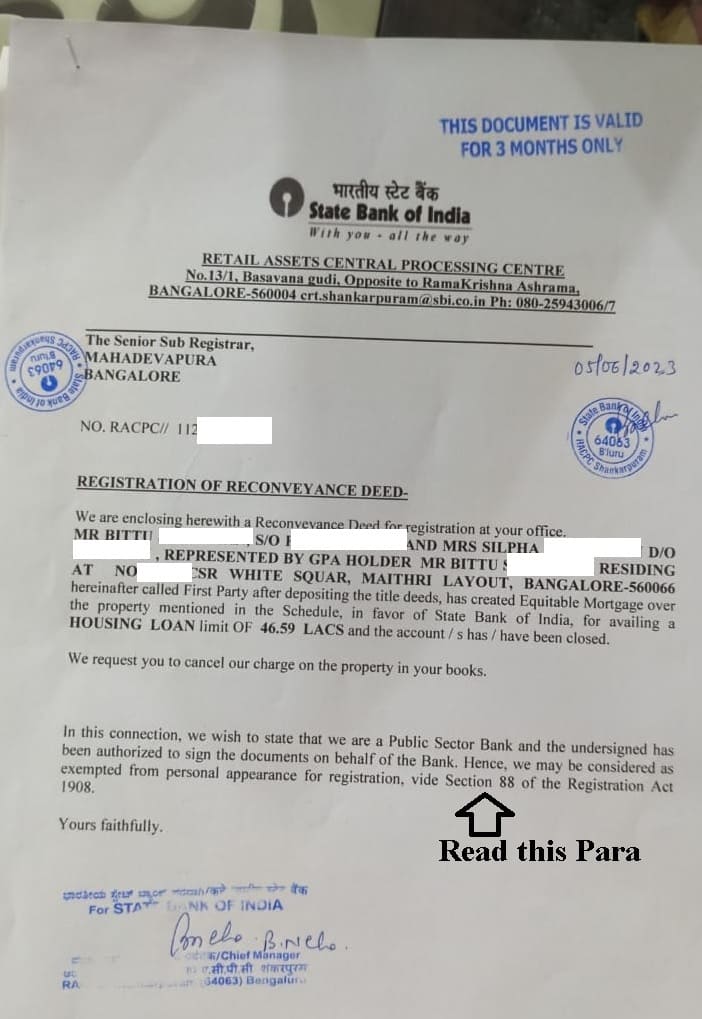
 The Exemption Certificate confirms that the bank is exempt from appearing in person at the sub-registrar’s office for the purpose of the reconveyance deed registration.
STEP 4: REGISTER THE RECONVEYANCE DEED Carry the following documents to the sub-registrar’s office:
- The Reconveyance Deed.
- The Exemption Certificate.
NEED ASSISTANCE? We provide end-to-end support for property document collection, Power of Attorney, and registration of reconveyance deeds.
- Email: pgnproperties@gmail.com
- WhatsApp: +91-97424-79020
FAQs on Collecting Property Documents from RACPC When One Joint Owner Cannot Be Present
- What is RACPC in banks?
- How do I collect my property documents after loan closure?
- Close the loan account through internet banking.
- Request a loan closure certificate via email or in person.
- Attend the appointment scheduled by RACPC to collect your original documents.
- Is it mandatory for all joint owners to be present at RACPC?
- What is the process for giving Power of Attorney (POA) for RACPC?
- Draft the POA on a Rs.500 non-judicial stamp paper.
- Have it signed by the absent co-owner (e.g., your spouse).
- Get it attested by a Notary Public. This POA authorizes you to represent the co-owner at RACPC and collect documents on their behalf.
- What documents should I carry to RACPC for collection?
- Loan closure certificate issued by the bank.
- Power of Attorney (if applicable).
- Self-attested ID proofs of both you and your co-owner(s).
- What documents will I receive from RACPC after loan closure?
- The bank will hand over:
- Original property documents (such as sale deed, agreement of sale, etc.).
- Reconveyance Deed.
- Exemption Certificate. You will also sign an acknowledgment receipt for collection.
- What is a Reconveyance Deed?
- What is the Exemption Certificate?
- Do I need to register the Reconveyance Deed?