
Are you applying for e-Khata in Bangalore through eAasthi 2.0 but don’t have a manual Khata? You may still be able to submit your application. However, your existing property records and documents supporting your property’s eligibility can be important in determining the classification of your e-Khata.
In this guide, PGN Property explains four common situations involving manual A-Khata, manual B-Khata, and properties without a manual Khata. We also discuss the documents that may help establish eligibility for Form-A e-Khata.
Watch Our Video Guide: e-Khata Without Manual Khata
What Is a Manual Khata?
A manual Khata is a traditional, paper-based property Khata certificate or extract issued by the relevant local authority. It contains property-related information maintained in the authority’s records.
With the introduction of online e-Khata services, property owners can apply through the relevant online portal and submit supporting documents as required.
If you already have a manual Khata, you may be asked to provide it during your e-Khata application. If you do not have one, you should review the other documents available for your property and follow the options and instructions provided by the portal.
Where Can You Select the Manual Khata Option on eAasthi 2.0?
During the e-Khata application process on the eAasthi 2.0 portal, you may encounter a question asking whether you have a manual Khata.
If you have the document, follow the portal’s instructions to provide the relevant details and upload the required file.
If you do not have a manual Khata, select the appropriate option available on the portal and check which alternative supporting documents are required for your property.
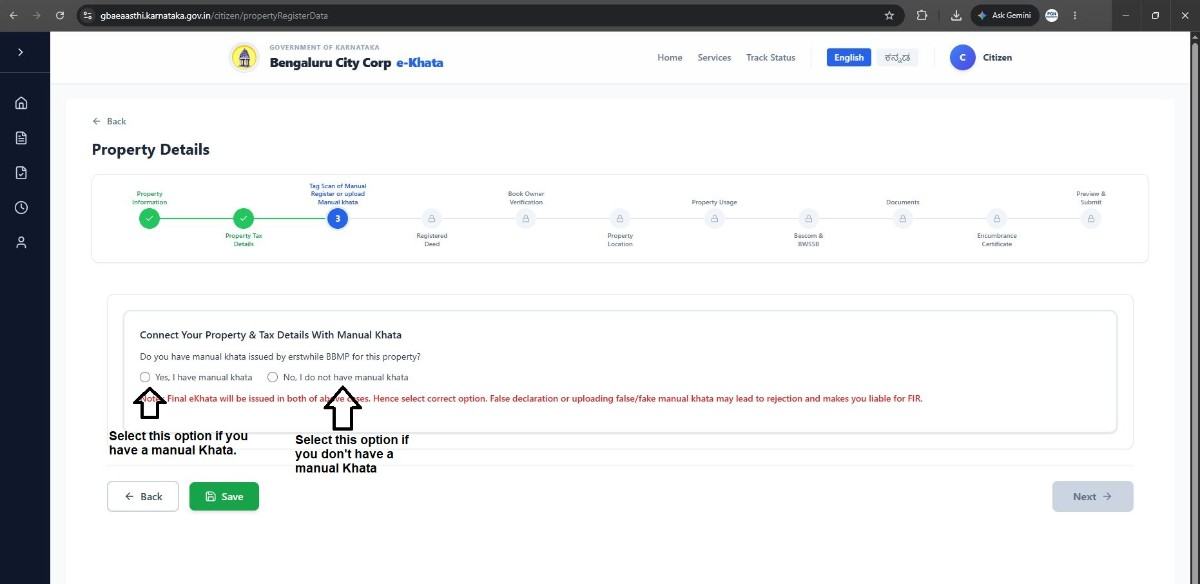
The manual Khata is one part of the application. The authority may also consider the property’s underlying records, approvals, land status, and other supporting evidence.
Let us examine four common situations.
Situation 1: You Have a Manual A-Khata
If you already have a manual A-Khata, keep it ready when applying for e-Khata.
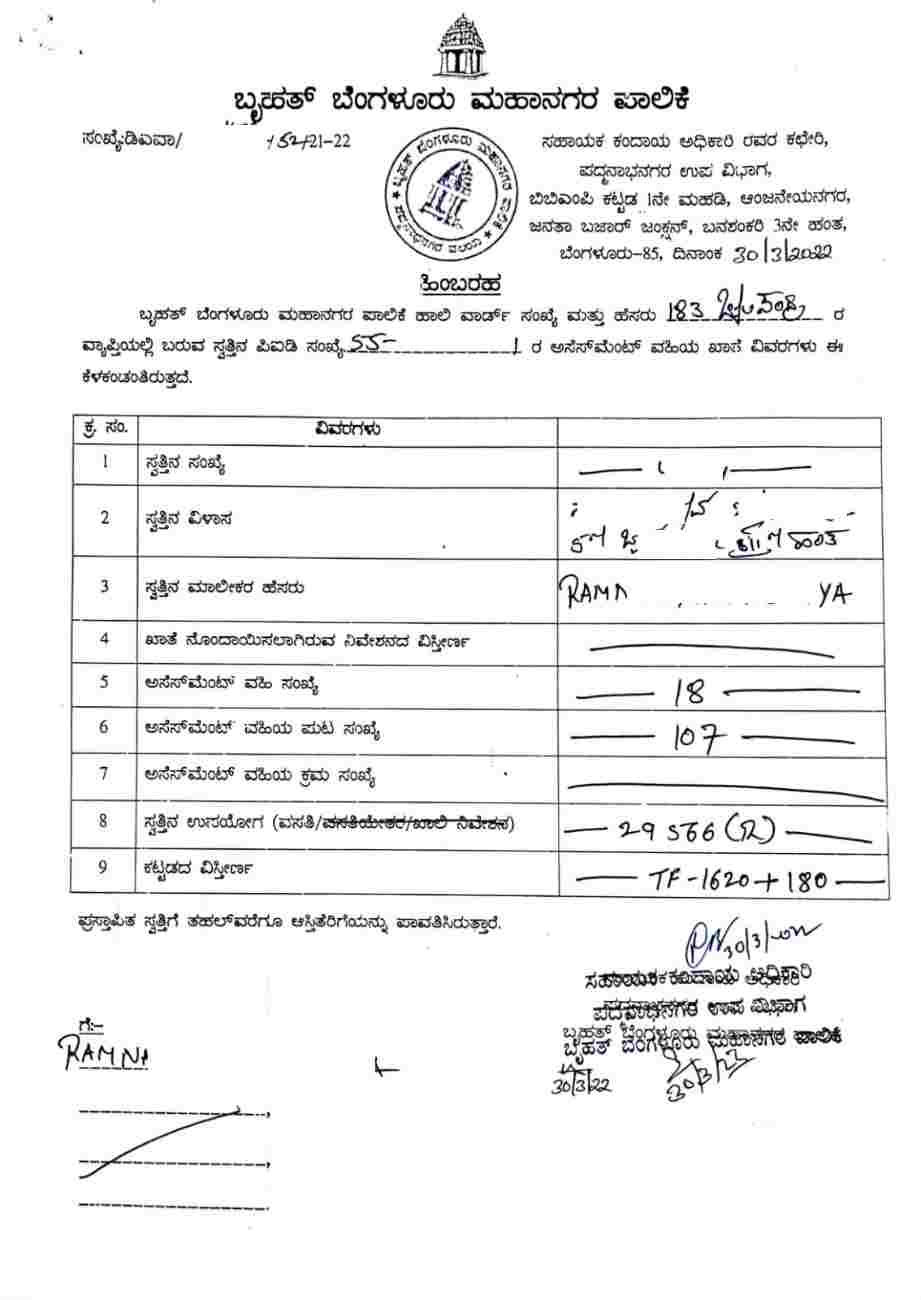
A manual A-Khata may help establish the property’s existing classification and provide supporting information for the application. You should upload the document if requested and ensure that the property details match the other records submitted.
Subject to verification and applicable requirements, the authority will determine the appropriate e-Khata classification.
What Is Form-A e-Khata?
Form-A e-Khata is associated with properties recorded in the relevant A-Khata category. It is important to distinguish the electronic Khata record from the underlying approvals and status of the property.
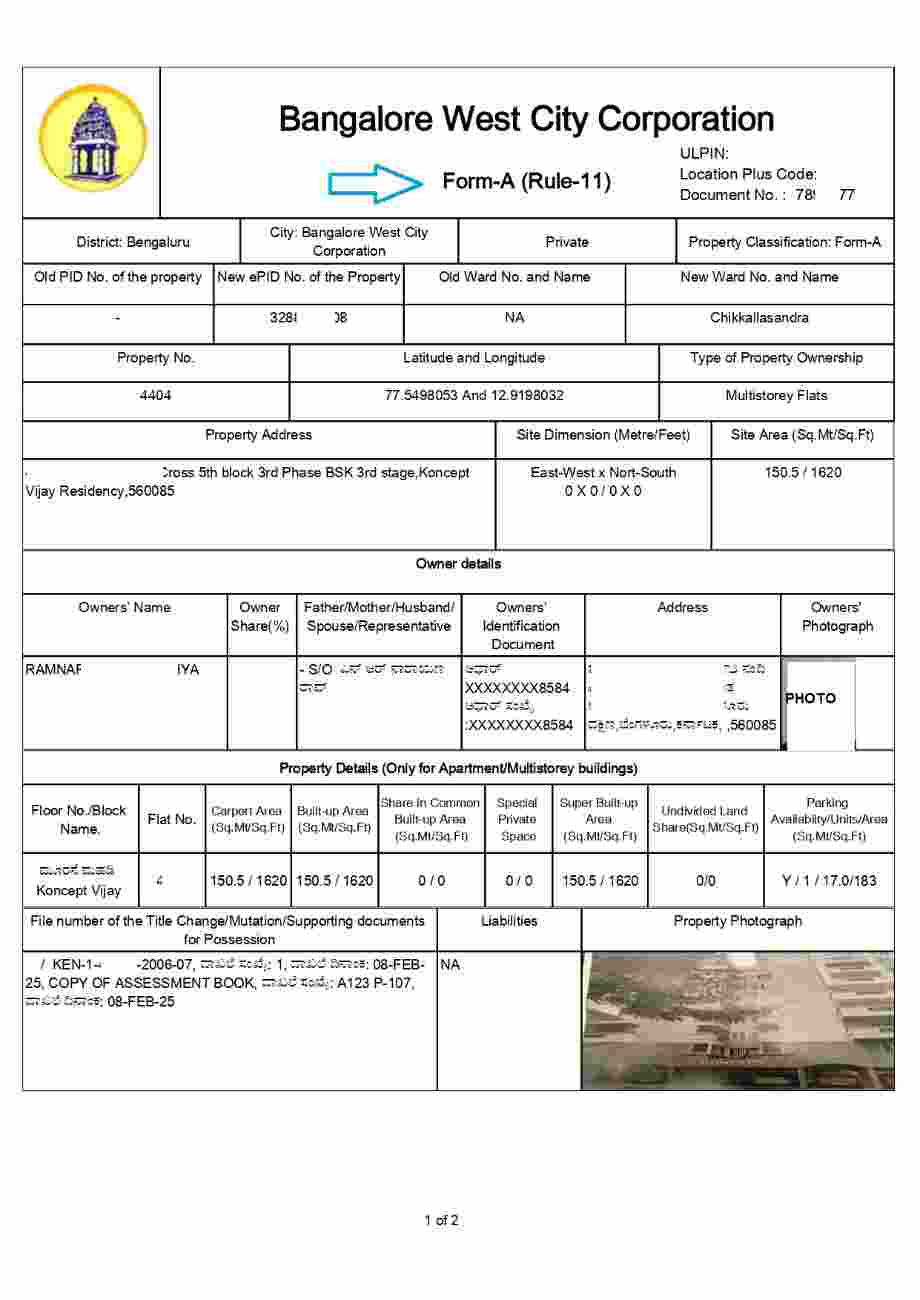
A manual A-Khata can be a useful supporting document, but uploading it should not be treated as a guarantee that the application will result in Form-A e-Khata. The authority may examine the property records and other applicable requirements.
Situation 2: You Have a Manual B-Khata
If your property has a manual B-Khata, provide the relevant document and follow the application instructions.
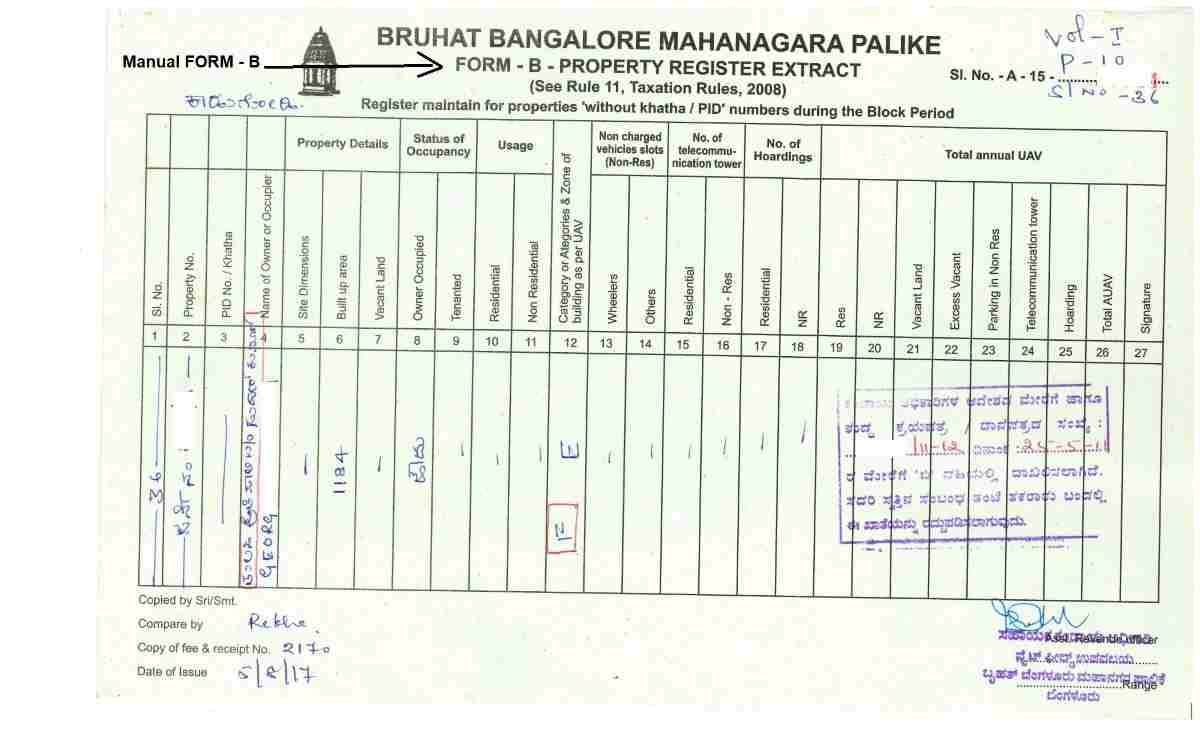
A B-Khata record is different from an A-Khata record. The existence of a B-Khata entry does not, by itself, establish that every requirement for A-Khata classification has been met.
If you believe your property may qualify for a different classification, review the supporting property documents and seek clarification from the relevant authority regarding the applicable process.
What Is Form-B e-Khata?
Form-B e-Khata is the electronic record associated with the relevant B-Khata category.
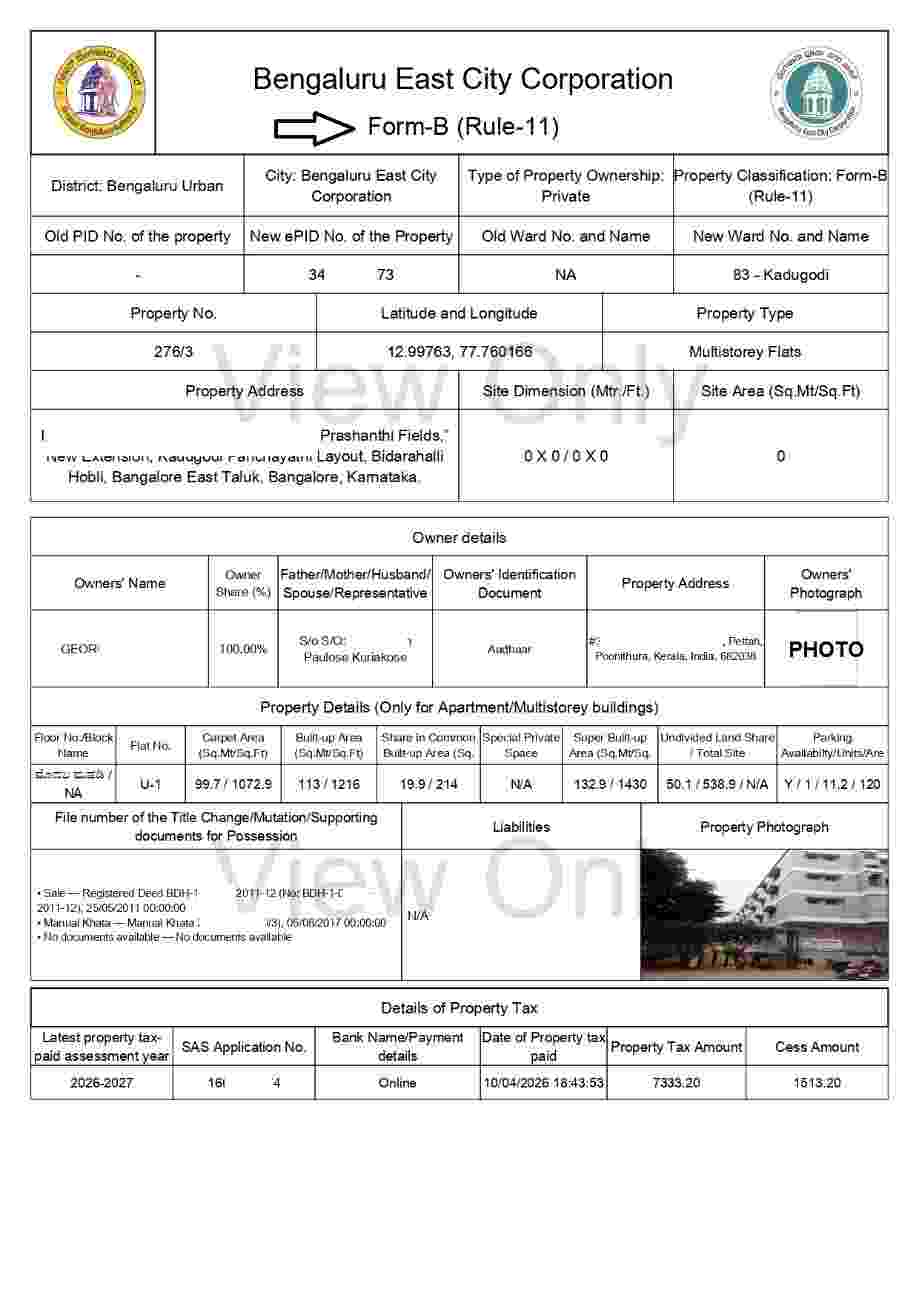
The classification of your property should be understood in the context and the records maintained by the authority. Do not assume that the name or format of a document alone establishes the property's complete legal or transaction status.
Situation 3: You Do Not Have a Manual Khata but Have Documents Supporting A-Khata Eligibility
What if you do not have a manual Khata but possess other documents relating to your property's approval, allotment, conversion, or eligibility?
In this situation, you should review those documents before submitting your e-Khata application. Depending on the property, the following types of documents may be relevant.
Documents That May Support Your Property's Eligibility
1. Approved layout or property documents
Documents relating to a property approved by the Bangalore Development Authority (BDA) or another competent planning authority may be relevant. The applicable approval, statutory provision, and property details must be verified.
2. Allotment documents from government agencies
Allotment documents issued by relevant authorities or housing agencies may be useful, depending on the property. Examples may include:
- Bangalore Development Authority (BDA)
- Karnataka Housing Board (KHB)
- Rajiv Gandhi Rural Housing Corporation Limited (RGRHCL)
- Karnataka Slum Development Board
- Karnataka Industrial Areas Development Board (KIADB)
The relevant allotment letter, conveyance documents, and supporting records should be checked for the specific property.
3. e-Swathu Form-9
If the property was previously under a Gram Panchayat, an e-Swathu Form-9 or associated record may be relevant, subject to the property's jurisdiction and the applicable requirements.
4. Manual Form-9 issued by a Gram Panchayat
A previously issued manual Form-9 may also be a supporting document for certain properties. Its acceptance and relevance depend on the records and rules applicable to that property.
5. MAR-19 or relevant municipal records
Where applicable, a MAR-19 document or other relevant municipal records may help establish the property's history. Verify the exact document type and its acceptance with the competent authority.
6. Land conversion and betterment charge records
For converted land, conversion orders and proof of payment of applicable betterment charges may be relevant. Other approvals and records may also be required, depending on the property's circumstances.
Please note: This is an indicative list, not a universal checklist. Not every document applies to every property, and possessing one of these documents does not automatically guarantee Form-A e-Khata. Confirm the current requirements with the relevant authority before applying.
Situation 4: You Do Not Have a Manual Khata or Documents Supporting A-Khata Eligibility
If you do not have a manual Khata and cannot locate documents supporting the property's eligibility for A-Khata, begin by reviewing the property records available to you.
Depending on the property's history and applicable rules, you may need to obtain copies of relevant documents, clarify the property's approval status, or seek guidance from the competent authority.
The absence of a manual Khata or supporting documents can make it more difficult to establish eligibility for a particular classification. However, the final outcome should not be assumed without examining the property records and the applicable requirements.
Before submitting your application:
- Check the existing Khata and property records, if available.
- Review the sale deed and relevant property approval documents.
- Check land conversion and betterment payment records, where applicable.
- Identify any missing documents that may be required.
- Follow the current instructions on the eAasthi 2.0 portal.
Is a Manual Khata Compulsory to Apply for e-Khata?
Not necessarily. Whether you can apply without a manual Khata depends on the options available through the relevant portal and the requirements applicable to your property.
If you do not have a manual Khata, review the alternative documents that may support your application.
The important distinction is between being able to submit an application and establishing eligibility for a particular e-Khata classification. These are not the same thing.
A-Khata vs. B-Khata: Key Differences
| Aspect | A-Khata | B-Khata |
| General meaning | Property recorded under the relevant A-Khata category | Property recorded under the relevant B-Khata category |
| Supporting records | Existing Khata, approvals, and other relevant property documents | Existing Khata and other relevant property records |
| e-Khata classification | Subject to applicable requirements and verification | Subject to applicable requirements and verification |
| Does a document guarantee classification? | No | No |
The precise implications of a Khata classification depend on the property records, and current administrative requirements. A Khata record should not be treated as a substitute for a complete title and legal due-diligence review.
Three Important Things to Remember
1. You may be able to apply without a manual Khata.
Check the options available on eAasthi 2.0 and identify the supporting documents relevant to your property.
2. Upload the documents you actually have.
A manual A-Khata, manual B-Khata, allotment letter, approval record, conversion order, or other relevant document may help the authority assess your application, depending on the circumstances.
3. The final classification depends on the applicable requirements and verification.
Neither the presence nor absence of a single document guarantees Form-A or Form-B e-Khata.
Need Help With e-Khata in Bangalore?
PGN Property provides property documentation and e-Khata assistance in Bangalore.
Contact us to discuss your property documentation requirements.
- Company: PGN Property
- Website: https://pgnpropertymanagement.in/
- Email: pgnproperties@gmail.com
- Contact number: +91 97424 79020
Conclusion
A manual Khata can be an important supporting document in an e-Khata application, but it is not the only record that may be relevant to your property's classification.
If you do not have a manual Khata, review the documents available for your property, follow the current eAasthi 2.0 application instructions, and confirm the applicable requirements with the competent authority.
Understanding your property's existing records before applying can help you prepare a more complete application and address documentation gaps early.